

Master Your Device: The Ultimate Guide to Every Widget Editor App in 2025

In 2025, your digital world is more personal than ever before. Your smartphone, tablet, and even your desktop are extensions of your unique style and needs. At the heart of this personalization revolution is the widget editor app. This powerful tool lets you transform dull, static screens into dynamic, information-rich dashboards. You can craft widgets that not only look amazing but also provide instant access to the data and functions you care about most. Forget generic layouts; it's time to take control.
A top-tier widget editor app empowers you to design, tweak, and deploy custom widgets with incredible ease. Whether you want a weather widget that matches your wallpaper, a calendar that shows only your most important meetings, or a quick-access panel for your smart home devices, a widget editor app makes it possible. We'll explore everything you need to know about these essential tools, from core features to advanced customization techniques, ensuring you master your digital space.
What Exactly is a Widget Editor App?
Simply put, a widget editor app is a software application that allows users to create, modify, and manage graphical control elements, known as widgets, on their device's interface. These widgets provide quick glances at information or offer direct access to app functions without opening the full application. Think of them as mini-apps living right on your home screen or desktop. They save you time and make your device more efficient.
Before these apps, you were stuck with whatever widgets came pre-installed or with specific applications. Now, with a dedicated widget editor app, you have unprecedented freedom. You can combine different data sources, choose unique fonts, customize colors, and even set up complex interactions. This level of control means your device truly works for you, reflecting your preferences and boosting your productivity.
The Evolution of Widget Customization: A 2025 Perspective
The journey of widgets has been remarkable. From simple clock displays to today's interactive, AI-powered marvels, they've come a long way. In 2025, a modern widget editor app isn't just about aesthetics; it's about intelligence and seamless integration. AI plays a significant role, suggesting layouts, optimizing information display, and even predicting your needs based on your daily routines.
Dynamic widgets now adapt to the time of day, your location, or even your current activity. For instance, a single widget might show your morning commute time, then switch to your work schedule, and finally display your evening entertainment options. The best widget editor app leverages these advancements to provide a truly personalized experience. This shift makes devices feel more intuitive and responsive to your life.
Key Features to Look for in a Top Widget Editor App
When choosing a widget editor app, several features stand out. These features determine how much control you have and how easy the customization process is. You want an app that offers both power and simplicity. Here are the must-have elements you should consider:
- Extensive Customization Options: Look for granular control over fonts, colors, backgrounds, shapes, and sizes. The ability to layer elements is also crucial.
- Diverse Data Sources: A great widget editor app connects to various data points like weather, calendar, reminders, stocks, battery life, and even third-party apps.
- Interactivity: Modern widgets aren't just static displays. They should allow you to tap to open an app, toggle settings, or perform quick actions directly from the home screen.
- Ease of Use: A drag-and-drop interface, intuitive controls, and clear previews make the design process enjoyable, not frustrating.
- Templates and Community Sharing: Pre-built templates offer a great starting point, and a community feature allows you to discover and share designs.
- Cross-Platform Compatibility: Ideally, your widget editor app should work across your phone, tablet, and desktop for a consistent experience.
Many platforms, like Widgetopia, offer an incredible selection of over 100,000 free home screen widgets for iPhone, iPad, and Android. This allows users to either remix existing designs or create their own from scratch, showcasing the power of a comprehensive widget editor app. Such platforms truly democratize design, letting anyone craft a unique digital space.
Deep Dive: Using a Widget Editor App on iOS
Apple's iOS platform has embraced widgets with open arms, allowing for significant home screen personalization. A dedicated widget editor app for iOS can completely transform your iPhone or iPad. Apps like Widgetsmith revolutionized the game, letting you personalize your device like never before with a wide range of highly customizable widgets. You can get started by checking out Widgetsmith on the App Store.
Getting Started with an iOS Widget Editor App:
- Choose Your App: Popular choices include Widgetsmith, Aesthetic Widgets, and ColorWidgets. Each offers a slightly different approach to customization.
- Select a Widget Size: iOS widgets come in small, medium, and large. Plan your layout before you start designing.
- Pick a Style/Template: Most apps provide templates for various functions like time, date, weather, or photos. You can often start with one and modify it.
- Customize Elements: Dive into the editor to change fonts, colors, background images, and data sources. Experiment with different combinations.
- Add to Home Screen: Once your widget is designed, long-press on your home screen, tap the '+' icon, search for your chosen widget editor app, and add the widget you created.
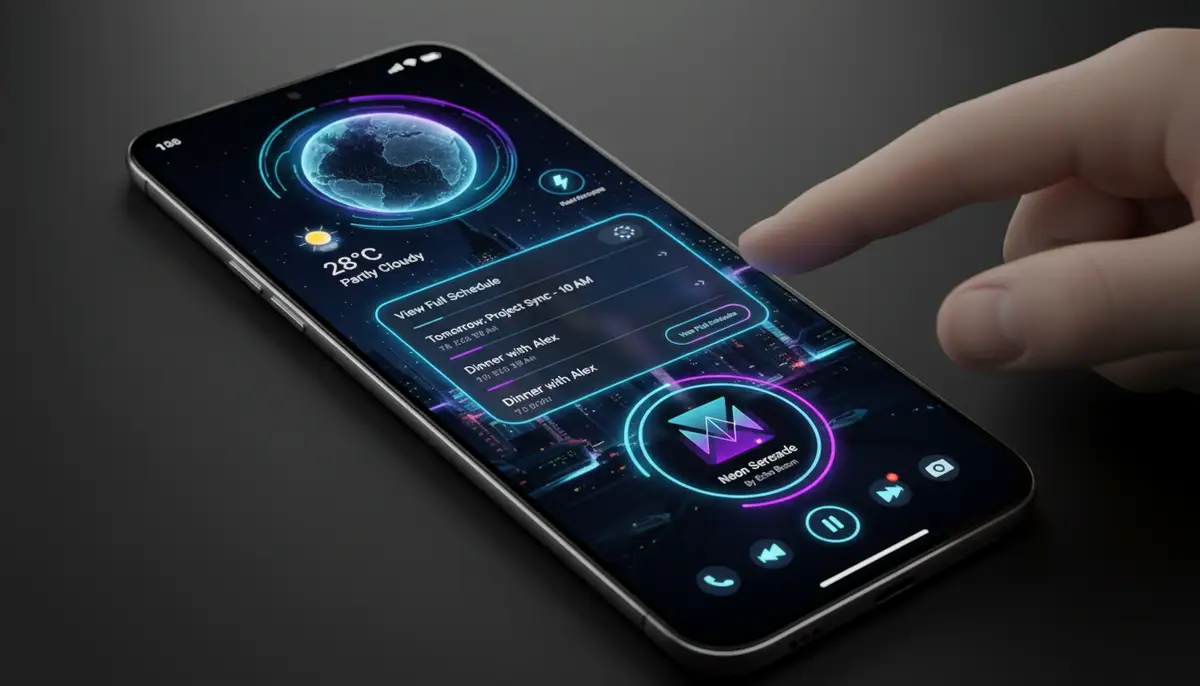
For more detailed instructions on integrating these custom elements, you might find our guide on how to do app widgets incredibly helpful. This resource provides a comprehensive look at the technical aspects and user-friendly steps for both developers and users.
Deep Dive: Mastering Your Android Home Screen with a Widget Editor App
Android has long been the king of customization, and a robust widget editor app takes this to the next level. The flexibility of Android allows for incredibly complex and interactive widget designs. For those tired of the same old widgets, KWGT (Kustom Widget Maker) stands out as a powerful option. It gives you the freedom to design your own custom widgets, offering unparalleled depth. Explore its capabilities further on Google Play.
Creating Advanced Android Widgets with a Widget Editor App:
- Install a Custom Launcher (Optional but Recommended): While not strictly required, launchers like Nova Launcher or Lawnchair offer more grid control and flexibility for widget placement.
- Open Your Widget Editor App: Launch KWGT or your preferred app. You'll typically see an empty canvas or a selection of pre-made presets.
- Add a Widget to Your Home Screen: Long-press on your home screen, select 'Widgets,' and choose a KWGT (or other app's) widget size. This places a blank canvas on your screen.
- Enter the Editor: Tap the newly placed widget to open the full widget editor app interface. Here, you'll find layers, items, and global settings.
- Build Your Widget: Add text, shapes, images, progress bars, and more. Each element can be customized with colors, fonts, animations, and touch actions. You can even use formulas to display dynamic data.
- Save and Apply: Once satisfied, save your design. The changes will instantly reflect on your home screen.
The depth offered by an Android widget editor app like KWGT is truly impressive. You can create widgets that respond to gestures, change based on music playback, or even control smart home devices directly. The possibilities are virtually endless, allowing for a truly unique and functional Android experience. This empowers you to make your phone an extension of your personality and workflow.
Desktop Widgets: The New Frontier for Your Widget Editor App
While mobile widgets have been popular for years, desktop widgets are making a powerful comeback. In 2025, a robust widget editor app isn't just for your phone; it's for your computer too. Imagine having a custom weather forecast, a real-time stock ticker, or a quick-access to-do list right on your Windows or macOS desktop. This enhances productivity and keeps vital information at your fingertips.
Windows users, for example, can leverage tools like Smart Widgets, which brings powerful customization to your desktop. You can choose from a growing collection of widgets to make your workspace truly yours. Check out Smart Widgets on the Microsoft Store to see how desktop personalization has evolved. These applications transform your desktop from a static background into an interactive information hub.
The concept is similar to mobile, but with the added screen real estate of a desktop. This allows for larger, more complex widgets that can display more information or offer more intricate interactions. A desktop widget editor app can integrate with your operating system, providing system monitoring, quick settings toggles, and even custom launchers. Companies like Widgetopia are also expanding their offerings to ensure a seamless widget experience across all your devices, from phone to tablet to desktop. This unified approach is key for productivity in a multi-device world.
Step-by-Step Guide: Designing Your First Custom Widget with a Widget Editor App
Ready to dive in and create your own masterpiece? Here’s a general guide to designing your first custom widget using any popular widget editor app. While specific steps might vary slightly between apps like Widgetsmith, KWGT, or others, the core principles remain the same. This process is surprisingly straightforward, even for beginners.
1. Choose Your Widget Editor App and Platform
Decide which device you want to customize first. Are you an iOS user leaning towards Widgetsmith or ColorWidgets? Or an Android enthusiast preferring KWGT? Perhaps you're looking for a desktop solution like Smart Widgets. Your choice will guide the specific interface you'll be working with. Each widget editor app offers a unique set of tools and a slightly different user experience.
2. Select a Widget Size and Placement
Before you start designing, think about where your widget will live and how much space it will occupy. Small widgets are great for quick info, while medium and large widgets can display more complex data or multiple elements. On Android, you'll typically add a blank widget space to your home screen first. On iOS, you'll design it within the app, then add it from the widget gallery.
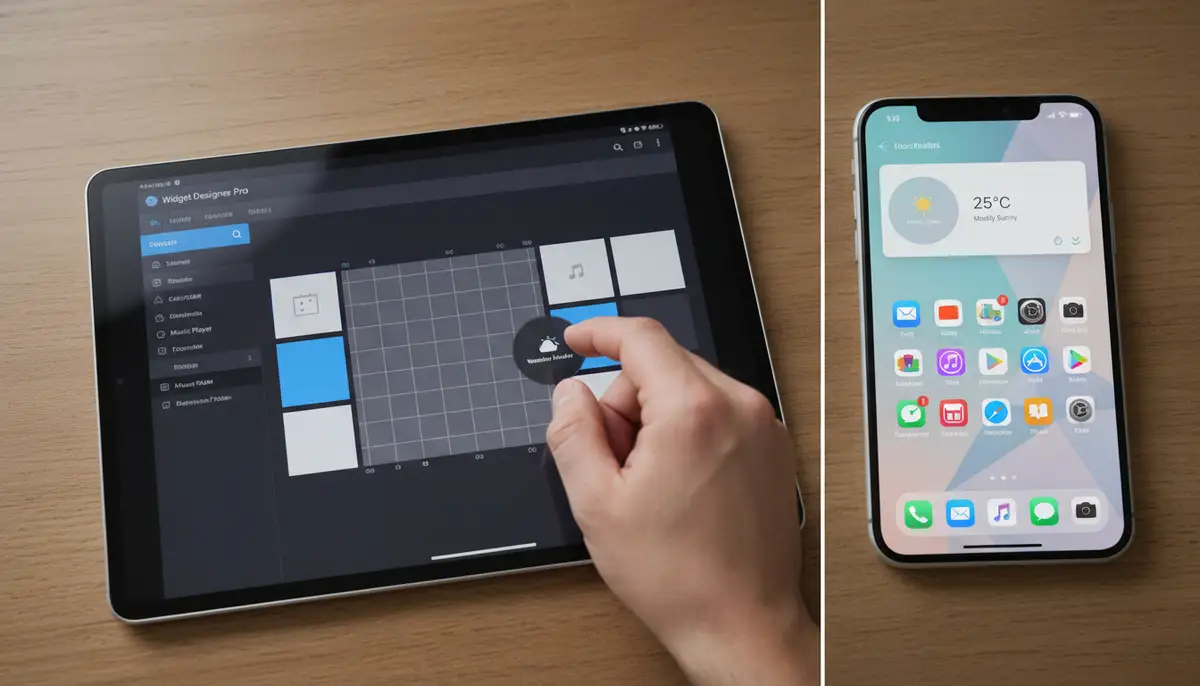
3. Start with a Template or From Scratch
Most widget editor apps offer a library of pre-designed templates. These are excellent starting points if you're feeling overwhelmed. You can pick a template that's close to what you envision and then modify it. Alternatively, you can opt for a blank canvas and build your widget element by element, giving you complete creative freedom. Don't be afraid to experiment with both approaches.
4. Customize Elements: Text, Shapes, Images
This is where the magic happens. A good widget editor app provides tools to add various elements. You can add text for the time, date, or a custom message. Use shapes to create backgrounds, dividers, or decorative elements. Incorporate images for icons, logos, or even a personal photo. Adjust colors, fonts, sizes, and positions for each element. Pay attention to alignment and spacing for a clean look.
5. Integrate Data Sources
What information do you want your widget to display? Connect your widget to relevant data sources. This could be your device's clock for time and date, a weather service for forecasts, your calendar for upcoming events, or even RSS feeds for news headlines. The power of a widget editor app lies in its ability to pull and present this dynamic information beautifully. Consider what data would be most useful to see at a glance.
6. Add Interactivity (Optional but Recommended)
Beyond displaying information, many widgets can be interactive. Set up tap actions so that tapping a specific part of your widget opens a particular app, toggles a setting, or performs a shortcut. For example, tapping the weather icon could open your full weather app, or tapping a to-do list item could mark it as complete. This adds a layer of functionality that makes your widget truly powerful.
7. Save, Preview, and Apply
Once your design is complete, save your work within the widget editor app. Most apps offer a preview function, allowing you to see exactly how your widget will look on your home screen before applying it. After saving, follow your device's specific instructions to add the custom widget to your home screen. Don't be afraid to go back and refine your design if it doesn't look quite right.
Advanced Tips and Tricks for Your Widget Editor App
Once you've mastered the basics, you can unlock even more potential from your widget editor app. These advanced techniques will help you create truly unique and highly functional widgets that stand out. You'll be surprised at the depth of customization available.
Conditional Formatting and Dynamic Content
Many advanced widget editor apps allow for conditional formatting. This means a widget's appearance or content can change based on certain conditions. For example, your battery widget could turn red when the charge is below 20%. Your weather widget could show a different icon for rain or sun. This makes your widgets incredibly responsive and informative.
Integrating with Smart Home Devices
Imagine controlling your smart lights or thermostat directly from a widget. Some sophisticated widget editor apps can integrate with smart home platforms via APIs or shortcuts. This means your home screen can become a central command center, offering unparalleled convenience. You can turn off lights, adjust temperature, or arm your security system with a single tap.

Sharing Your Creations and Discovering Others
Many widget editor apps foster vibrant communities where users share their designs. This is a fantastic way to find inspiration, learn new techniques, and even use stunning widgets created by others. Platforms like Widgetopia thrive on this community aspect, allowing users to remix and share their unique creations. You can showcase your talent and help others personalize their devices.
Backup and Restore Strategies
After spending hours perfecting your widgets, you wouldn't want to lose them. Ensure your widget editor app supports backup and restore functionality. This allows you to save your custom designs and easily transfer them to a new device or recover them after a factory reset. Always keep your widget creations safe and sound.
For those interested in staying updated with the latest information, exploring a detailed breakdown of news app widget functionality can provide additional insights into dynamic content and real-time updates for your custom widgets. This article covers how to master these widgets for your daily briefing, which can be a great inspiration for your own widget editor app designs.
The Future of the Widget Editor App
What does 2025 and beyond hold for the widget editor app? The trajectory points towards even greater intelligence, seamless integration, and immersive experiences. We can expect AI to play an even more dominant role, not just in suggesting designs but in actively creating them based on your preferences and habits. Imagine an AI-powered widget editor app that learns your workflow and automatically generates the perfect widget for your current task.
Augmented reality (AR) widgets are also on the horizon. Picture a weather widget that floats in your physical space, or a to-do list that appears when you look at your desk through your phone's camera. The boundaries between your digital and physical worlds will continue to blur, making widgets even more integral to your daily life. The innovation in this space is accelerating rapidly.
Furthermore, cross-device synchronization will become standard. Your custom widgets will seamlessly follow you from your phone to your tablet, smartwatch, smart display, and even your car's infotainment system. The ultimate widget editor app will offer a truly ubiquitous and consistent personalized experience across every screen you own. This will redefine how we interact with technology.
Comparing Popular Widget Editor App Solutions
With so many options available, choosing the right widget editor app can be challenging. Here's a brief comparison of some prominent solutions in the market, including our own Widgetopia, and competitors like Aesthetic Widgets, widgetsmith.app, and colorwidgets.app. This will help you understand their strengths and decide which one best fits your needs.
| Feature | Widgetopia | Widgetsmith (iOS) | KWGT (Android) | Aesthetic Widgets (iOS) |
|---|---|---|---|---|
| Platform Focus | iOS, Android | iOS | Android | iOS |
| Free Widgets (Quantity) | 100,000+ | Limited free, Premium for full features | Limited free, Pro for full features | Limited free, Premium for full features |
| Customization Depth | High (remix/design own) | Moderate to High | Very High (advanced formulas) | Moderate |
| Ease of Use | Moderate | High | Moderate (steep learning curve for advanced) | High |
| Community/Sharing | Yes, extensive | Limited | Yes, extensive | Limited |
| Desktop Widgets | Developing | No | No | No |
As you can see, each widget editor app has its unique strengths. While solutions like widgetsmith.app and colorwidgets.app excel in ease of use for iOS, and KWGT offers unparalleled depth for Android, Widgetopia aims to provide a vast library and cross-platform flexibility. Aesthetic Widgets also caters to the iOS aesthetic trend, offering stylish, pre-designed options. Your ideal choice depends on your operating system, desired level of customization, and whether you prefer starting from templates or building from scratch.
Conclusion: Transform Your Digital Experience with a Widget Editor App
In 2025, your device's home screen is no longer a static grid of app icons. It's a dynamic, personalized canvas waiting for your touch. A powerful widget editor app gives you the tools to craft a digital environment that truly reflects your personality, boosts your productivity, and provides instant access to the information you need. From intricate designs on Android to sleek, minimalist layouts on iOS, the possibilities are limitless.
Embrace the future of personalization. Experiment with different apps, explore templates, and don't be afraid to unleash your creativity. Whether you're a seasoned customizer or just starting, a widget editor app will transform your interaction with technology. Take control of your digital space today. Start designing your perfect home screen widgets and make your device uniquely yours.