

How to Promote an App with Content Marketing: Our Widgetopia Story
Introduction: The App Growth Dilemma
As an app developer, you know the dream: build something amazing, launch it, and watch it grow. For our team at Widgetopia, creating a platform for 100,000 free homescreen widgets was just the start. The real challenge began when we needed to promote an app with content marketing, specifically our iOS and Android widget app, without relying heavily on expensive paid ads. We wanted organic, sustainable growth.
Many app teams face this dilemma. Paid acquisition can quickly drain resources. It offers quick wins but often lacks long-term value. We knew we needed a different approach to truly connect with users and build lasting discoverability. This meant finding a way to attract users naturally, through search engines and valuable content.
Why Content Marketing? Our Journey to Promote an App with Content Marketing
We quickly realized that content marketing was our best bet. It allows you to answer user questions, solve problems, and demonstrate your app's value. However, content marketing is not a magic bullet. It requires consistent effort and a clear strategy. Initially, our efforts to promote an app with content marketing felt overwhelming.
Our small team was already stretched thin with development, bug fixes, and user support. Trying to churn out high-quality blog posts, guides, and tutorials manually was nearly impossible. We'd start strong, but consistency would always suffer. The content pipeline would dry up, and our organic traffic would plateau.
The specific pain points were clear: limited time, insufficient resources, and a lack of dedicated content writing expertise. We needed a scalable solution. We understood the power of content to attract users searching for 'apps with cool widgets' or 'how to do app widgets.' We just couldn't produce enough of it.
Understanding the Content Marketing Landscape for Apps
Content marketing for apps goes beyond simple blog posts. It's about creating a rich ecosystem of information around your product. This ecosystem helps users discover your app, learn how to use it, and stay engaged. It builds trust and positions you as an authority in your niche, such as home screen and lock screen widgets.
- Blog posts: Articles covering features, tutorials, tips, and industry trends.
- Guides and tutorials: Step-by-step instructions on using specific app functions or creating custom designs.
- Visual content: Screenshots, videos, infographics demonstrating app capabilities.
- User-generated content: Showcasing how users remix or design their own widgets.
- Case studies: Stories of how your app solves specific user problems.
The ultimate goal is simple: attract potential users, engage them with valuable information, and convert them into active app users. By doing so, you effectively promote an app with content marketing, building a loyal community around your product. This approach contrasts sharply with the fleeting nature of paid ad campaigns.
The Challenge of Scale: Doing it Manually
Our early attempts at manual content creation were admirable but unsustainable. We'd spend hours researching keywords, outlining articles, and then writing them. This took away precious time from core development tasks. It meant slower updates and less innovation for Widgetopia itself.
The inconsistency was our biggest enemy. Google and other search engines reward regular, high-quality content. When our output was sporadic, our rankings suffered. We couldn't keep up with the demand for fresh content that users were actively searching for. This made it very difficult to effectively promote an app with content marketing.

We looked at other successful widget apps in the market, like colorwidgets.app, widgetsmith.app, and Aesthetic Widgets. These companies often have dedicated marketing teams or significant budgets. We knew we couldn't compete on that level with our lean setup. We needed a smart way to level the playing field. We needed to find a way to maintain a strong content presence without a large team.
Introducing RankBurst: Our Content Automation Solution
The turning point came when we started exploring AI-powered content solutions. We needed a tool that could understand SEO best practices, generate high-quality drafts, and integrate seamlessly into our workflow. After much research, we discovered RankBurst.
RankBurst wasn't just another AI writing tool. It was designed specifically for SEO content creation, helping us publish consistent, optimized articles. It essentially removed the need for manual writing for every single piece of content. This meant we didn't need to hire a dedicated content team or spend countless hours ourselves.
This tool became our secret weapon to promote an app with content marketing at scale. It allowed us to maintain a steady stream of valuable content, covering a wide range of topics relevant to our users. We could finally focus on our core product development while still growing our organic presence.
How RankBurst Transformed Our Content Strategy
With RankBurst, we could automate much of the initial content generation process. This automation meant we could consistently publish new articles, guides, and tutorials. The tool helped us identify trending topics and relevant keywords for our niche, ensuring our content always hit the mark.
- Consistency: We could publish new content regularly, keeping our website fresh and engaging.
- Speed: Content generation time was drastically reduced, allowing us to cover more topics faster.
- Breadth of topics: We could explore a wider range of long-tail keywords and niche subjects relevant to our users.
- SEO optimization: Articles came pre-optimized for search engines, saving us manual tweaking.
- Resource allocation: Our developers could focus on app features, not blog posts.
This shift allowed us to focus more on what our users were truly searching for. We could create content around specific widget customization tips, new features in Widgetopia, or even general advice on personalizing phone screens. This targeted approach made it much easier to promote an app with content marketing effectively.
Crafting a Content Strategy to Promote an App with Content Marketing
Even with powerful automation, a solid strategy is non-negotiable. You still need to guide the AI and ensure your content aligns with your brand and user needs. Here's how we structured our approach to promote an app with content marketing.
Identifying Your Audience and Their Needs
Before writing anything, understand your users. Who are they? What problems do they face that your app solves? For Widgetopia, our users want to personalize their devices, express creativity, and access information quickly. They search for ways to make their phones unique and functional.
This understanding helps us tailor content that truly resonates. We create articles that explain how to use our 100,000 free widgets, how to remix existing designs, or how to design your own from scratch. If you're looking for a comprehensive guide on how to do app widgets, our content aims to be the definitive resource.

Keyword Research: The Foundation of Discoverability
Keywords are the bridge between your content and your potential users. They are the terms people type into search engines. Effective keyword research reveals what your audience is actively looking for. It helps you understand their intent and craft content that directly addresses their queries.
RankBurst helped us identify high-volume, low-competition keywords related to widgets, app customization, and mobile aesthetics. This allowed us to target specific niches and attract users who were already interested in what Widgetopia offers. For deeper insights into SEO, you might find articles on best backlink analysis tools helpful, as understanding your competitive landscape is crucial.
Content Pillars and Topics
Organize your keywords and content ideas into 'pillars.' These are broad themes that your content will revolve around. For Widgetopia, our pillars include 'Widget Customization,' 'App Personalization Tips,' and 'Productivity with Widgets.' This structure ensures comprehensive coverage and helps you promote an app with content marketing consistently.
| Content Pillar | Example Topics | Target Audience | |
|---|---|---|---|
| Widget Customization | How to change widget colors | Designing custom photo widgets | Beginner & Intermediate Widgetopia users |
| App Personalization Tips | Best icon packs for iOS | Aesthetic home screen layouts | New & Existing Widgetopia users, General app enthusiasts |
| Productivity with Widgets | Weather widgets for Android | Calendar widgets for better planning | Users seeking functional improvements, Specific widget seekers |
By creating content around these pillars, we can address a wide array of user needs. For example, we create articles like "discover the ultimate guide to apps with cool widgets" to capture broad interest, then drill down into specific tutorials. This comprehensive approach ensures we capture users at various stages of their search journey.
Implementing Your Automated Content Machine
Once your strategy is in place, it's time for execution. This is where the automation truly shines. You transition from planning to publishing with efficiency, allowing you to consistently promote an app with content marketing.
Setting Up Your Content Calendar
Consistency is paramount. A content calendar helps you plan your publications in advance. It ensures a steady flow of new articles. With RankBurst, populating this calendar became much easier, as the tool could generate content ideas and drafts on demand.
- Publication dates: When each piece of content will go live.
- Topic/Keyword: The main subject and target keywords for each article.
- Content type: Blog post, guide, tutorial, etc.
- Status: Draft, review, published.
- Responsible team member: Who is overseeing the final review.
Leveraging AI for Content Generation
RankBurst acts as a powerful assistant. We feed it our chosen keywords and topics, and it generates well-structured, SEO-optimized drafts. This drastically cuts down on the initial writing time. It allows us to produce content at a volume that was previously unimaginable for our small team.
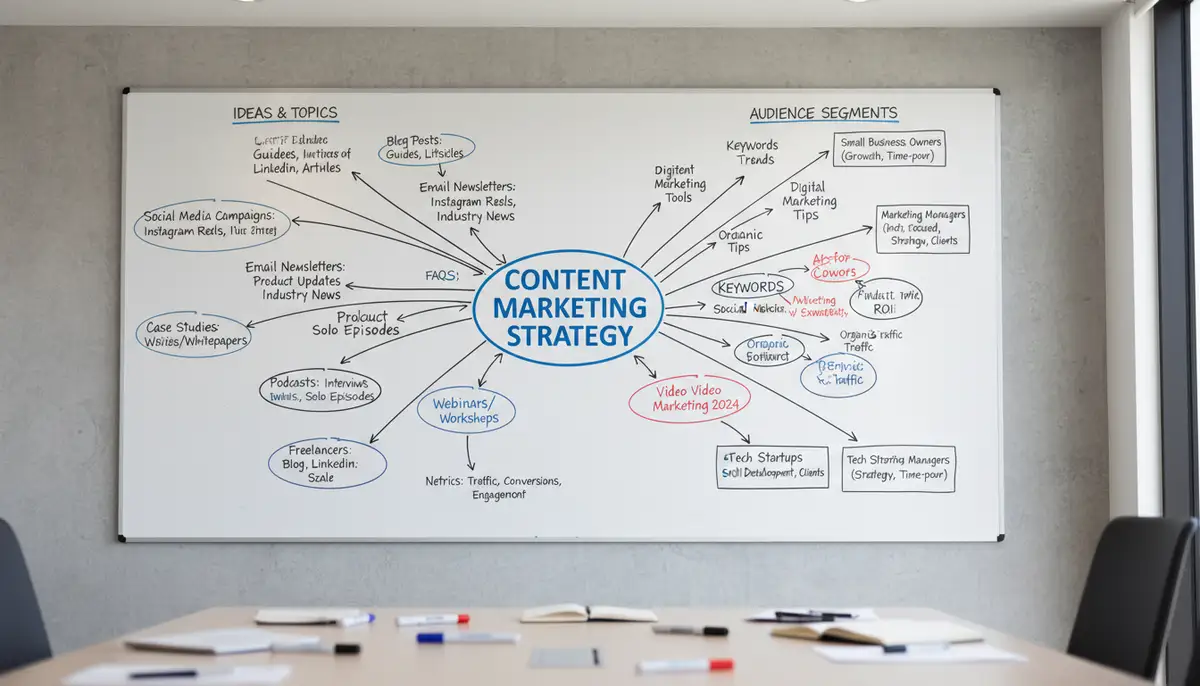
However, the human touch remains vital. We always review, edit, and refine the AI-generated content. We inject our brand voice, add specific Widgetopia examples, and ensure accuracy. This collaborative approach ensures high-quality output while maximizing efficiency. It’s how we truly promote an app with content marketing that feels authentic.
Distribution and Promotion
Creating great content is only half the battle. You need to get it in front of your audience. We distribute our articles through various channels. Our blog is the primary hub, but we also share snippets and links on social media platforms where our users spend their time. Email newsletters also play a crucial role.
Additionally, we focus on internal linking within our site, guiding users to related content and app features. For more insights on broader strategies, exploring effective content marketing strategies for mobile apps can provide a deeper understanding of distribution tactics.
The Benefits We've Seen: Organic Growth in Action
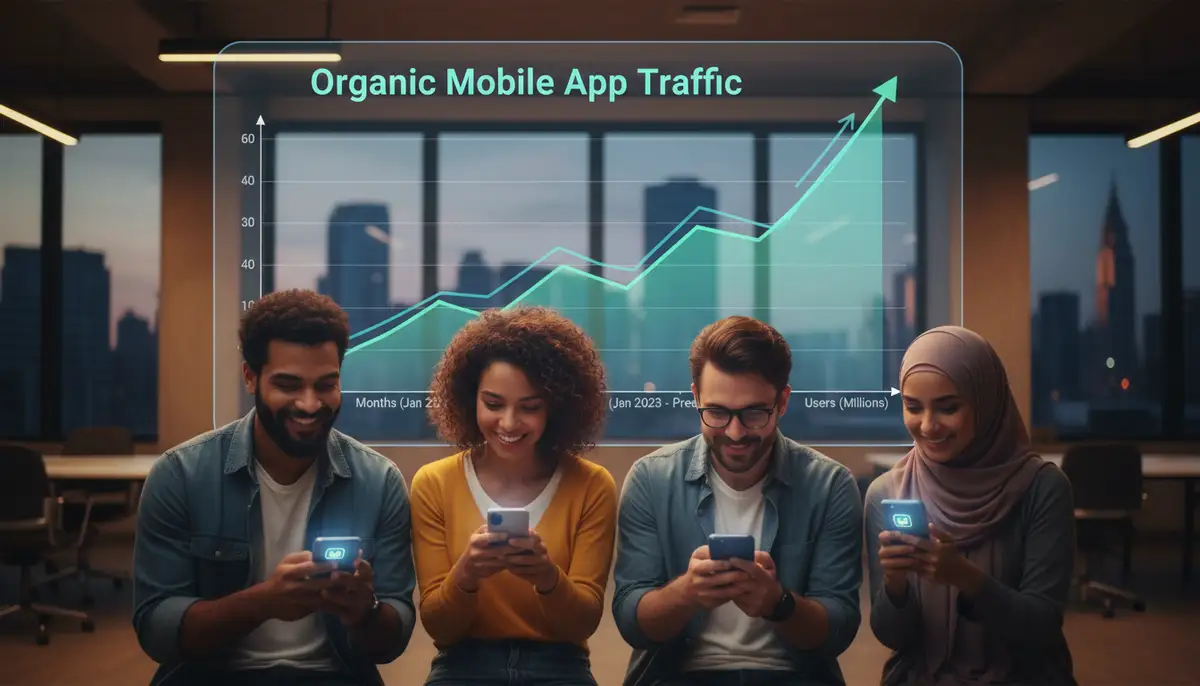
The impact of this strategy has been significant. We've seen a steady, consistent increase in organic traffic to our website. This means more potential users discovering Widgetopia through search engines, rather than expensive ads. Our app's discoverability has improved dramatically across both iOS and Android platforms.
By consistently providing valuable content, we've built authority in the widget customization space. Users trust our expertise, which translates into higher app downloads and better retention. They see us as a go-to resource for all things related to home screen and lock screen widgets.
Perhaps most importantly, this approach frees up our development team. They can now focus on building even more incredible features for Widgetopia, knowing that our marketing engine is running efficiently in the background. This allows us to innovate and respond to user feedback more quickly. For instance, we can dedicate more time to expanding our collection of sport widgets and other popular categories.
Lessons Learned and Future Outlook
Content marketing is a marathon, not a sprint. It requires patience, persistence, and continuous optimization. We constantly monitor our content's performance, identify what resonates with our audience, and adjust our strategy accordingly. This iterative process is key to long-term success when you promote an app with content marketing.
The landscape of app promotion is always evolving. New trends emerge, and user behaviors change. We believe that a robust content marketing strategy, powered by smart tools like RankBurst, will remain essential. It allows us to stay agile and responsive, ensuring Widgetopia continues to grow organically.
Our journey has shown that even small app teams can achieve significant organic growth. You don't need a massive budget or a huge marketing department. You need a smart strategy, the right tools, and a commitment to providing value to your users. This is how you effectively promote an app with content marketing in today's competitive environment.
Conclusion: Empowering Your App's Growth
For any app developer looking to build sustainable growth, content marketing is a powerful avenue. Our experience at Widgetopia demonstrates that you can overcome resource limitations by embracing automation. Tools like RankBurst make it possible to consistently produce high-quality, SEO-optimized content. This helps you reach your target audience naturally.
Don't let the fear of a small team deter you. Focus on creating value, understanding your audience, and leveraging technology. You can absolutely promote an app with content marketing successfully. We encourage you to explore these strategies for your own app and unlock its full organic potential.