

Becoming an Amusement Ride Designer: Your Blueprint for Thrills in 2025
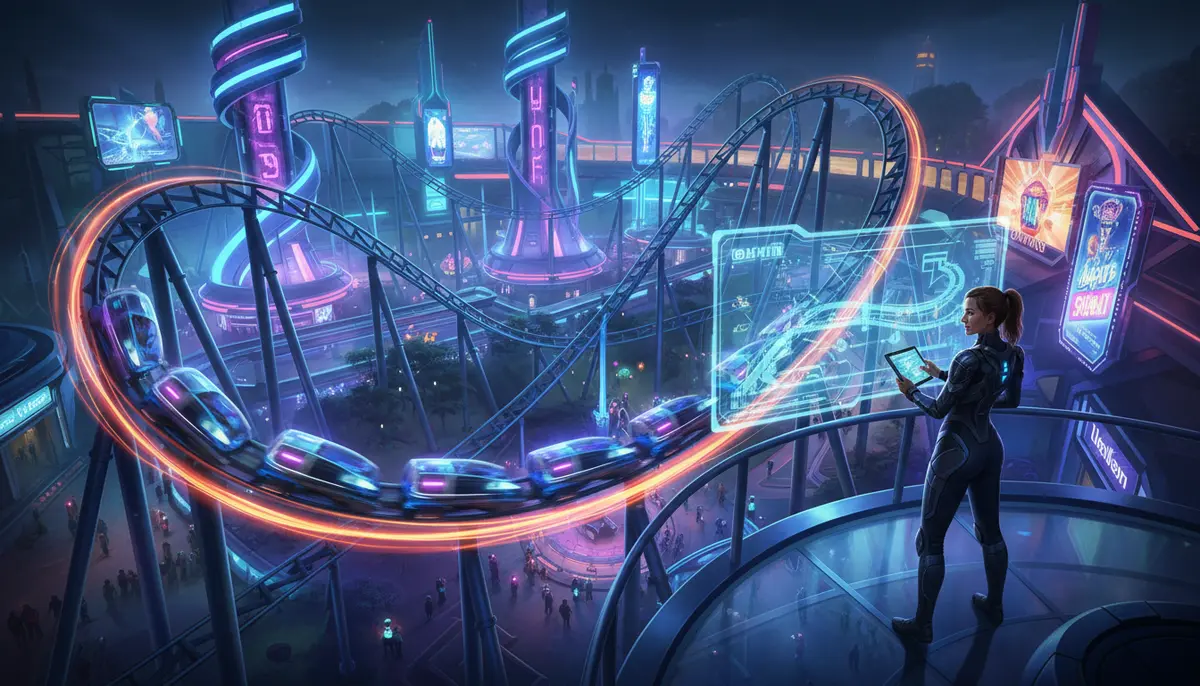
Have you ever wondered about the brilliant minds behind the world's most exhilarating roller coasters and captivating attractions? These are the individuals who blend engineering prowess with artistic vision. They bring our wildest dreams of flight, speed, and adventure to life. If you possess a passion for innovation and a knack for problem-solving, a career as an amusement ride designer might be your perfect calling.
In 2025, the theme park industry is more dynamic than ever. It demands designers who are not only technically skilled but also deeply empathetic to the guest experience. This comprehensive guide will take you through the exciting world of being an amusement ride designer. We will explore the journey, the skills, the tools, and the future of this unique profession. Get ready to design your own path to creating unforgettable thrills!
What Exactly Does an Amusement Ride Designer Do?
At its core, an amusement ride designer conceptualizes, designs, and oversees the creation of rides. These rides range from gentle carousels to gravity-defying roller coasters. Their work involves a complex interplay of creativity, physics, safety regulations, and guest psychology. They are visionaries who turn abstract ideas into tangible, thrilling experiences.
The daily tasks of an amusement ride designer can vary widely. One day might involve sketching new ride layouts. Another might focus on complex structural calculations. They often collaborate with various teams, including engineers, artists, project managers, and even marketing specialists. Their goal is always to deliver a safe, innovative, and highly enjoyable attraction.
The Journey: Becoming an Amusement Ride Designer
Every aspiring amusement ride designer needs a solid foundation. This usually begins with a strong educational background. While there isn't one specific 'amusement ride design' degree, several fields provide excellent preparation. Think about what truly excites you.
Educational Pathways
- Mechanical Engineering: This is a common path. It teaches you about mechanics, materials, and motion, which are crucial for ride design.
- Civil Engineering: Focuses on structural integrity and construction, essential for large-scale ride foundations and supports.
- Industrial Design: Emphasizes aesthetics, user experience, and product development, helping you create visually appealing and comfortable rides.
- Aerospace Engineering: Offers insights into aerodynamics and high-speed mechanics, particularly useful for advanced coaster designs.
- Architecture: Provides a strong understanding of spatial design, planning, and integrating rides within a larger park environment.
Many designers also pursue master's degrees or specialized certifications. These can help them stand out in a competitive field. Internships are also incredibly valuable. They provide real-world experience and networking opportunities within the industry.
Essential Skills for an Amusement Ride Designer
To be a successful amusement ride designer, you need a diverse skill set. It's not just about technical know-how. It also involves creativity and strong communication. Here are some key areas to develop.
Technical Prowess
- Physics and Engineering Principles: A deep understanding of kinematics, dynamics, stress analysis, and material science is non-negotiable. You must know how forces act on a ride and its passengers.
- CAD Software Proficiency: Mastery of programs like AutoCAD, SolidWorks, Inventor, or Revit is essential for drafting, 3D modeling, and simulation.
- FEA (Finite Element Analysis): This software helps predict how a design will react to forces, heat, and vibration. It's critical for ensuring structural integrity.
- Control Systems Knowledge: Understanding hydraulics, pneumatics, and electrical systems is vital for designing safe and reliable ride operations.
- Prototyping and Fabrication: Familiarity with manufacturing processes, from welding to machining, helps in understanding design limitations and feasibility.
Creative and Design Skills
- Conceptual Design & Sketching: The ability to visualize and quickly sketch ideas is paramount. This is where the initial magic happens.
- Storytelling & Theming: Rides are more than just mechanics; they tell a story. An amusement ride designer must integrate narrative and aesthetic themes to create immersive experiences.
- User Experience (UX) Design: Thinking about the guest's journey, comfort, and emotional response is crucial. How will they feel? What will they see?
- Spatial Awareness: Understanding how a ride fits into its environment, considering sightlines, traffic flow, and overall park aesthetics.
Soft Skills
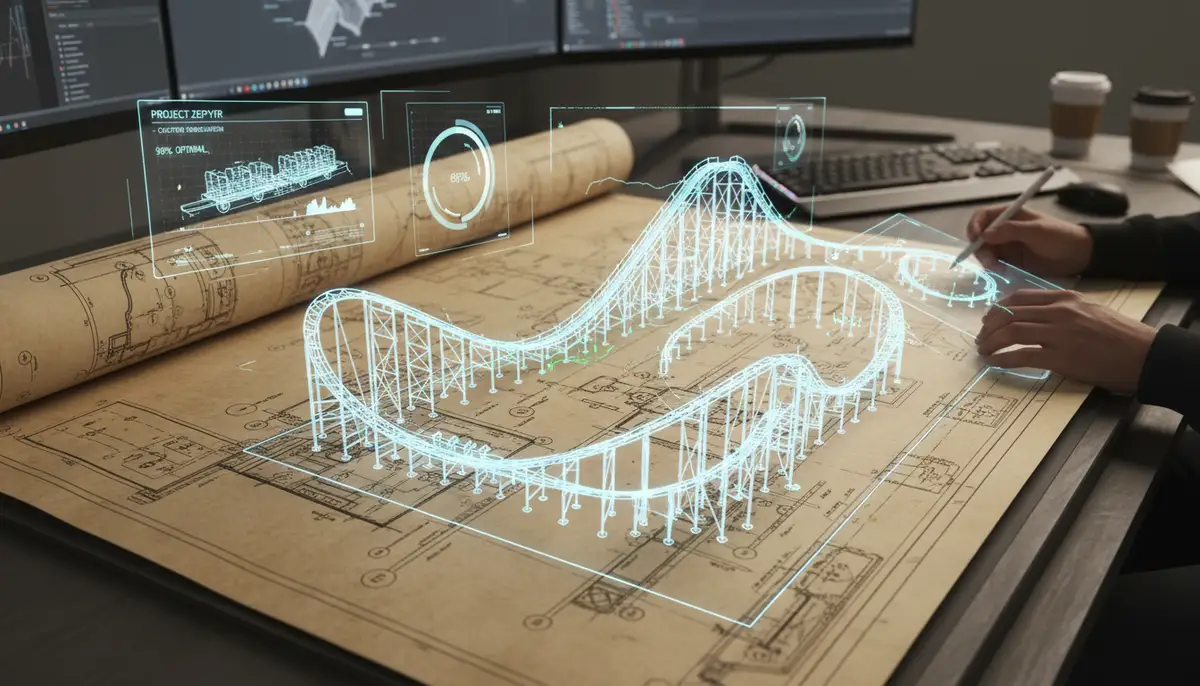
- Problem-Solving: Every project presents unique challenges, from budget constraints to complex engineering hurdles. You need to be an innovative problem-solver.
- Collaboration & Communication: You'll work with diverse teams. Clear communication and teamwork are essential for successful project execution.
- Attention to Detail: Safety is paramount. A single overlooked detail can have serious consequences. Precision is key.
- Adaptability: The industry constantly evolves. New technologies and trends emerge rapidly. You must be willing to learn and adapt.
Tools and Technologies for the Modern Amusement Ride Designer in 2025
The work of an amusement ride designer has been revolutionized by technology. In 2025, advanced digital tools are indispensable. They allow for greater precision, faster iteration, and more immersive design processes. Here's what you'll be using.
Advanced Design Software
- Parametric CAD Software: Programs like Fusion 360 and CATIA allow for complex 3D modeling and easy modification of designs. This is crucial for iterating quickly.
- Simulation Software: Tools such as ANSYS and Abaqus simulate forces, stresses, and fluid dynamics. They predict ride performance and identify potential failure points before physical construction.
- BIM (Building Information Modeling): For larger attractions, BIM software helps integrate architectural, structural, and MEP (mechanical, electrical, plumbing) designs into a single model, improving coordination.
Immersive Technologies
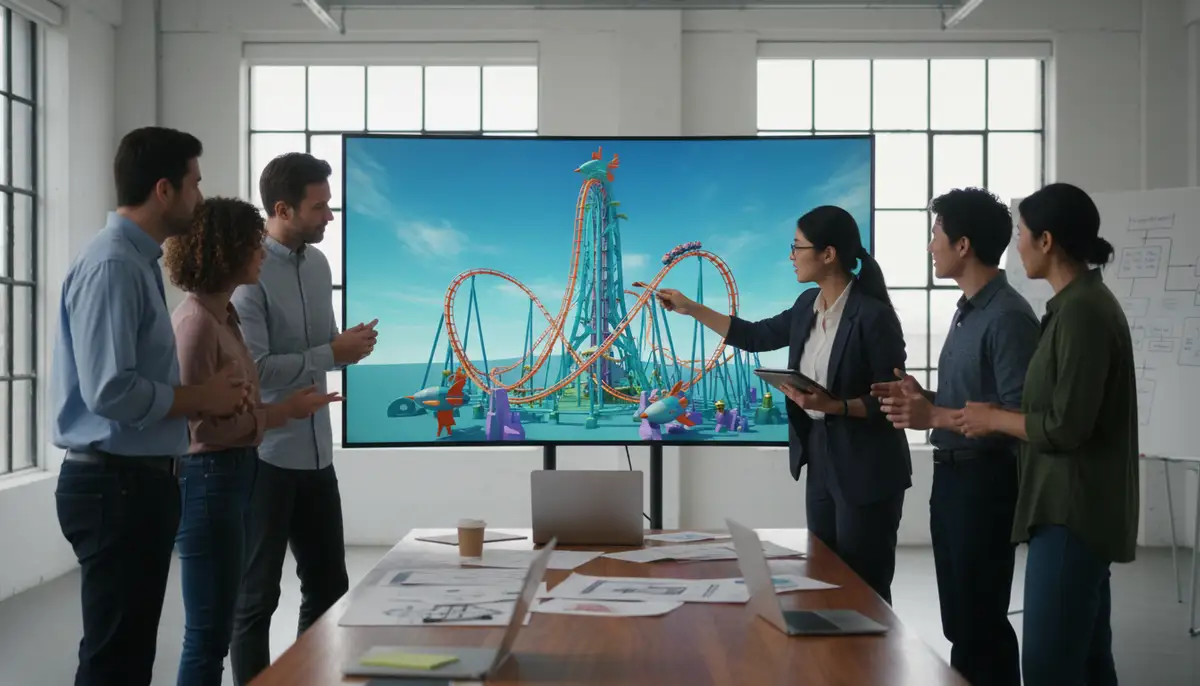
- Virtual Reality (VR): Designers use VR to 'ride' their creations before they're built. This helps evaluate guest experience, sightlines, and pacing in a highly immersive way. It's also great for client presentations.
- Augmented Reality (AR): AR can overlay digital ride models onto real-world park locations. This helps visualize how a new attraction will fit into the existing landscape.
- Generative Design & AI: Artificial intelligence is starting to assist in optimizing ride layouts for thrill, efficiency, and material usage. Generative design explores thousands of design variations to find the best solutions.
Staying current with these technologies is vital. Just as you might customize your phone with an android counter widget for productivity, an amusement ride designer customizes their digital toolkit to optimize their workflow and design output. The right tools empower creativity and efficiency.
The Amusement Ride Design Process: From Concept to Launch
Designing a new amusement ride is a long and intricate journey. It involves multiple stages, each with its own challenges and requirements. Here's a typical breakdown.
1. Concept and Ideation
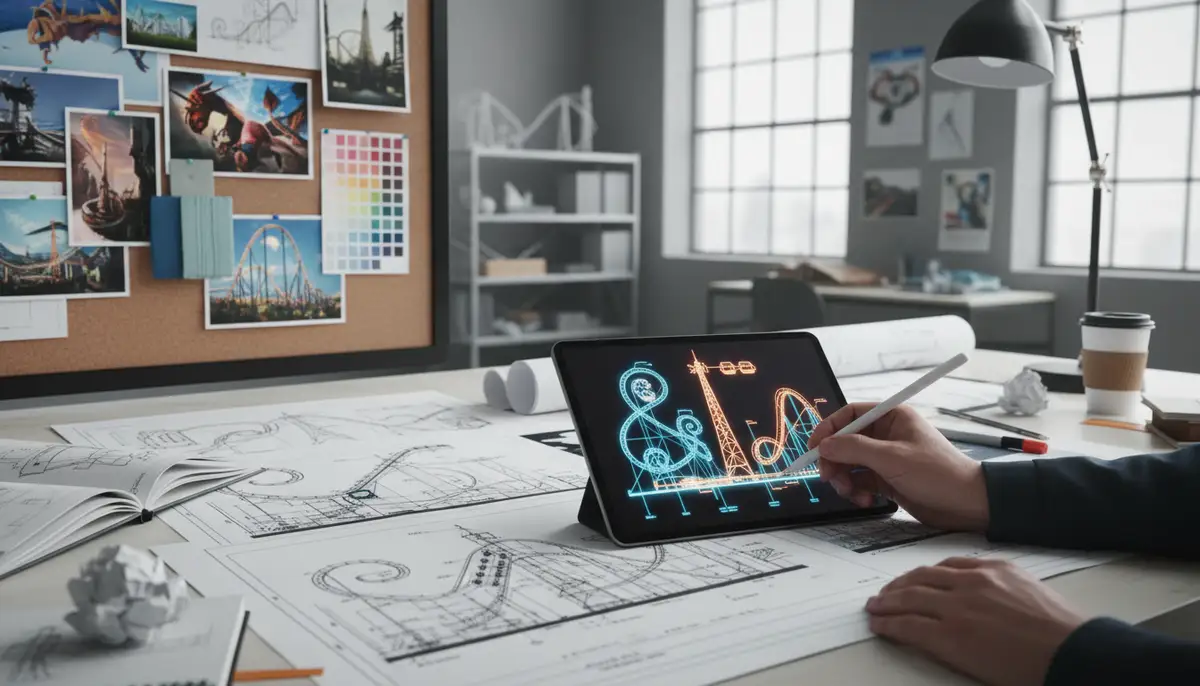
This is where the initial spark occurs. A client (theme park) might approach an amusement ride designer with a general idea, a specific theme, or a need to fill a gap in their attraction lineup. The designer then brainstorms ideas, sketches concepts, and develops preliminary themes and storylines. This stage often involves mood boards, storyboards, and early 3D renderings.
2. Schematic Design and Development
Once a concept is approved, the design becomes more detailed. This includes developing ride layouts, calculating preliminary forces, and selecting potential ride systems (e.g., steel coaster, wooden coaster, dark ride system). Engineers begin to analyze feasibility and cost. This is where the vision starts to meet reality. For a comprehensive list of companies involved in this space, you can explore various amusement ride manufacturers on Wikipedia.
3. Engineering and Detailed Design
This is the most technically intensive phase. The amusement ride designer and their engineering team create precise blueprints, structural analyses, and detailed specifications for every component. This includes track design, vehicle design, station layout, safety systems, and control programming. Every weld, bolt, and sensor is meticulously planned and documented. Rigorous safety standards are applied throughout this stage.
The Role of an Amusement Ride Designer in Prototyping and Testing
Before full-scale construction, critical components or even sections of the ride might be prototyped. This allows for physical testing and refinement. Once built, the ride undergoes extensive testing without passengers, followed by tests with water dummies and then human testers. This is where the amusement ride designer's vision is finally proven safe and thrilling. Companies like Zamperla are renowned for their rigorous testing and manufacturing processes, ensuring safety and quality.
5. Manufacturing and Construction
With designs finalized and approved, manufacturing of components begins. Tracks are fabricated, vehicles are assembled, and control systems are built. On-site construction involves preparing the land, laying foundations, and erecting the ride structure. The amusement ride designer often consults during this phase to ensure the build matches the design specifications. Specialized firms like Rocky Mountain Construction are known for their expertise in both design and construction, particularly for innovative wooden and hybrid coasters.
6. Commissioning and Opening
After construction, the ride is commissioned. This involves final inspections, certification by regulatory bodies, and training for park operators. Finally, the ride opens to the public! The satisfaction of seeing guests enjoy a creation is the ultimate reward for any amusement ride designer.
Types of Rides and Specializations
The world of amusement rides is incredibly diverse. An amusement ride designer might specialize in one or more categories, leveraging their unique skills for specific types of attractions.
| Ride Type | Key Design Considerations | Example Thrill Elements |
|---|---|---|
| Roller Coasters | High speeds, complex inversions, G-forces, track layout optimization. | Loops, corkscrews, airtime hills, launches, zero-G rolls. |
| Flat Rides | Repetitive motion, capacity, footprint, unique guest sensations (spinning, swinging). | High swings, rotating platforms, drop towers, centrifuge effects. |
| Water Rides | Water flow dynamics, splash zones, temperature control, queue management, flume design. | Slides, rapids, splashdowns, water cannons, wave pools. |
| Dark Rides & Immersive Attractions | Storytelling, animatronics, special effects, projection mapping, ride vehicle pathing, sound design. | Trackless vehicles, interactive elements, simulated environments, sensory effects. |
| Family Rides | Accessibility, broad appeal, gentle motions, themed environments, ease of operation. | Carousels, gentle swings, mini-coasters, themed vehicle tours. |
Some designers even specialize in specific elements, like launch systems or magnetic braking. The modern amusement ride designer often works on projects that blend these categories, creating hybrid attractions that offer multi-faceted experiences.
Challenges and Rewards of Being an Amusement Ride Designer
The life of an amusement ride designer is not without its hurdles, but the rewards are immense. Understanding both aspects helps you prepare for this career.
Key Challenges
- Safety Regulations: Adhering to strict local and international safety standards is paramount and often complex. This requires constant vigilance and detailed documentation.
- Budget Constraints: Delivering innovative designs within a client's budget requires creative problem-solving and efficient resource management.
- Technical Limitations: Pushing the boundaries of engineering always comes with technical challenges. Materials, physics, and manufacturing processes have limits.
- Environmental Impact: Designing sustainable rides that minimize energy consumption and environmental footprint is an increasing concern.
- Guest Expectations: The public always craves new and more thrilling experiences. Meeting these evolving expectations requires continuous innovation.
Immense Rewards
- Creating Joy: There's nothing quite like seeing thousands of people enjoying an attraction you designed. It's incredibly fulfilling.
- Innovation: You get to be at the forefront of engineering and creative design, constantly pushing what's possible in entertainment.
- Tangible Results: Your work results in massive, physical structures that stand for decades, bringing happiness to millions.
- Collaborative Environment: Working with diverse, talented teams on exciting projects fosters a dynamic and inspiring workplace.
- Global Impact: Your designs could be enjoyed by people all over the world, leaving a lasting legacy.
Industry Trends for Amusement Ride Designers in 2025
The theme park industry is always evolving. As an amusement ride designer, you must stay ahead of the curve. Several trends are shaping the future of attractions.
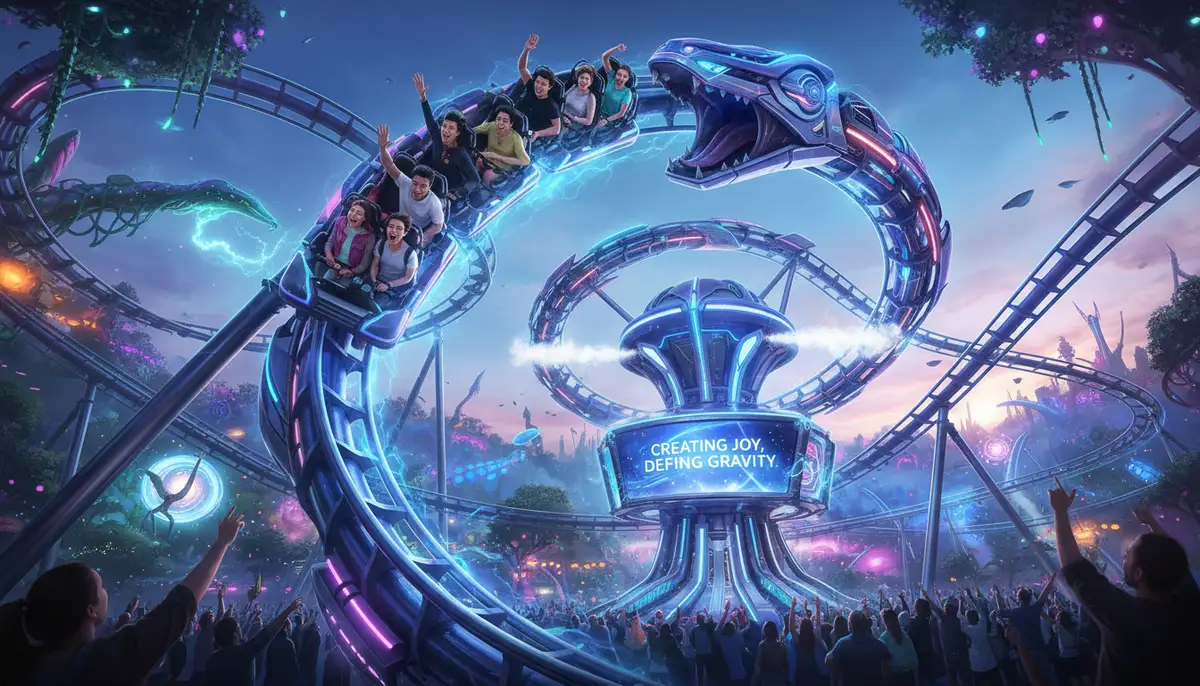
Sustainability and Eco-Friendly Design
Parks are increasingly focused on reducing their environmental footprint. This means designing rides with energy-efficient systems, using recycled or sustainable materials, and minimizing waste. An amusement ride designer must integrate these considerations from the earliest conceptual stages.
Hyper-Immersive Experiences
Guests want more than just thrills; they want to be transported to another world. This involves integrating advanced projection mapping, haptic feedback, scent dispensers, and sophisticated animatronics. The line between physical ride and digital experience is blurring. Think about how an aesthetic black theme can enhance digital interfaces; similarly, thoughtful theming elevates physical rides.
Personalization and Customization
Future rides might offer personalized experiences based on rider preferences or even biometric data. Imagine a ride that subtly adjusts its intensity or storyline based on your reactions. This level of customization requires complex design and programming. In a similar vein, our business, Widgetopia, offers 100,000 free homescreen widgets for iPhone, iPad, and Android, allowing users to remix or design their own, giving them unparalleled personalization options. This focus on individual user experience is a common thread across many design fields today. You can even explore various health widgets for your devices to see how customization enhances daily life.
Integration of IP (Intellectual Property)
Many new rides are based on popular movies, video games, or comic books. An amusement ride designer must be skilled at translating beloved stories and characters into physical ride experiences while respecting the original IP. This often involves close collaboration with creative studios.
Networking and Career Growth
Building a career as an amusement ride designer also involves building connections. The theme park industry is a relatively small but passionate community. Attending industry events and joining professional organizations are crucial steps.
- IAAPA Expo: The largest international trade show for the attractions industry. It's a must-attend for networking, seeing new products, and learning about trends.
- TEA (Themed Entertainment Association): A global non-profit association that represents creators, developers, designers, and producers of compelling places and experiences.
- ASTM International: Develops and publishes technical standards for a wide range of products, materials, systems, and services, including amusement rides.
Networking can open doors to new opportunities, mentorships, and collaborations. Staying visible and engaged within the community is key to advancing your career as an amusement ride designer. You might also find inspiration from companies that focus on user customization in the digital space, such as colorwidgets.app, photowidget.net, or Aesthetic Widgets, as they also prioritize user experience and design flexibility.
The Future of the Amusement Ride Designer
The future for an amusement ride designer is incredibly bright and filled with innovation. We are on the cusp of truly revolutionary changes in how attractions are conceived and experienced. Artificial intelligence, advanced robotics, and hyper-personalization will play even larger roles. Imagine rides that adapt in real-time to your preferences, or attractions that seamlessly blend physical and digital worlds. The next generation of amusement ride designer will be at the forefront of these exciting developments.
The demand for unique, memorable experiences will only grow. This means a continuous need for creative and technically proficient individuals. They will shape the future of entertainment. If you are passionate about pushing boundaries and creating joy, this career offers an unparalleled opportunity to leave your mark on the world.
Conclusion
Becoming an amusement ride designer is a challenging yet incredibly rewarding career path. It demands a unique blend of engineering expertise, artistic vision, and a deep understanding of human psychology. From the initial sketch to the grand opening, every step requires precision, creativity, and an unwavering commitment to safety and guest experience.
In 2025 and beyond, the amusement industry will continue to evolve, driven by new technologies and ever-increasing guest expectations. If you are ready to embark on a journey that combines your love for thrills with your talent for design, then the world of amusement ride design awaits you. Start building your skills, network with industry professionals, and prepare to create the next generation of unforgettable attractions. Your blueprint for thrills starts now!